Machine Translation Speeds Things Up, But Not Always Safely
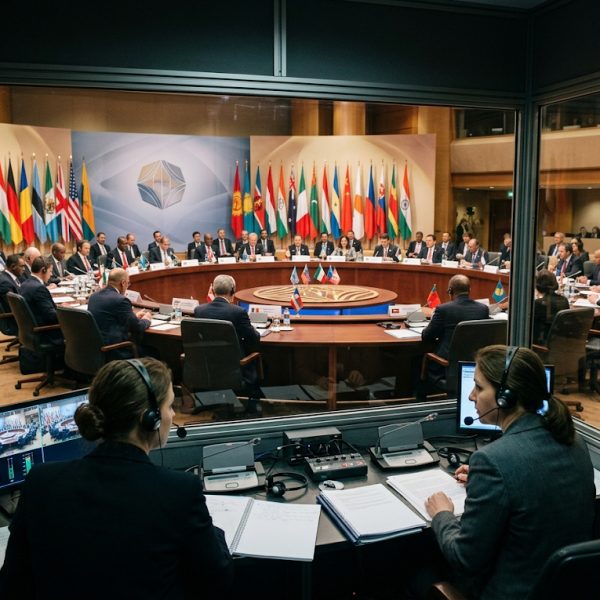
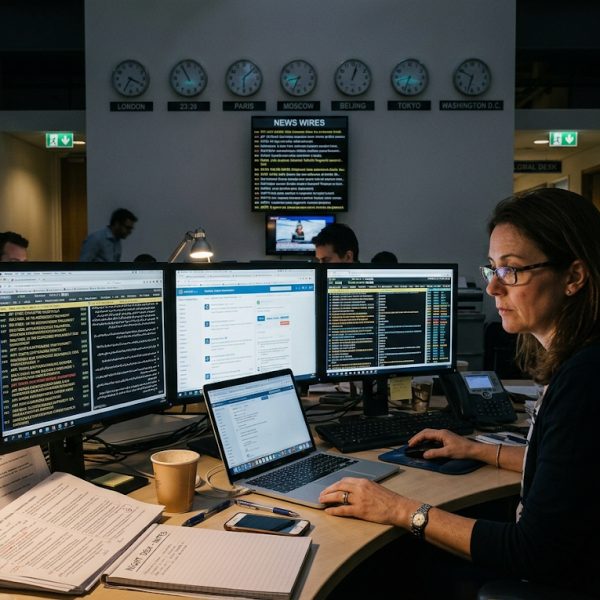
Automated translation tools now sit inside most newsroom workflows, offering a first-pass translation within seconds of a foreign statement being released. For simple factual updates, this speed is genuinely useful. For anything involving political nuance, legal terminology, or a deliberately ambiguous diplomatic phrase, editors say machine output still requires a human translator to check tone and intent before publication.
Wire Services Set the Pace for Everyone Else
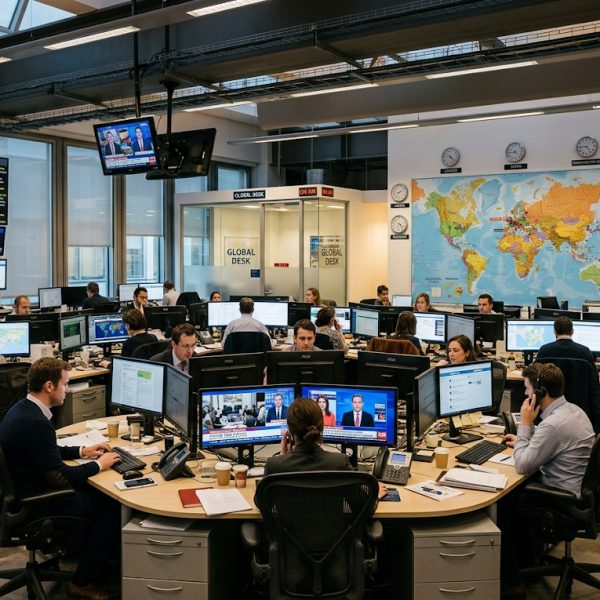
Because so many outlets republish wire copy rather than translating original statements themselves, an error introduced at the wire service level can spread across dozens of publications within an hour. This has pushed major wire services to tighten their internal review process for anything involving direct quotes from foreign officials, particularly during fast-moving political events like elections or summits.
Smaller Outlets Face a Harder Trade-off
Regional and independent news sites rarely have in-house translators on staff, which forces a choice between speed and accuracy on every foreign story they cover. Some have started pooling resources with translation agencies on a per-story basis, treating translation as a reporting cost similar to a freelance photographer or a stringer on the ground.
What that buys is usually a native speaker of the source language rather than a generalist working from a dictionary. The linguists at PoliLingua are native speakers and the agency lists more than 200 languages, which is the kind of range no newsroom keeps on staff for a story that breaks in a language it has never had to cover before. The trade-off is turnaround, since a human pass on a contested quote takes minutes rather than seconds.
What Readers Can Do
Readers who follow international politics closely can benefit from checking a story against more than one outlet's translation of the same quote, especially when the story hinges on a single contested phrase. Differences between versions often reveal exactly where the translation judgment call was made, and sometimes explain why two outlets seem to be covering the same event with a slightly different tone.
None of this means readers should distrust international coverage outright. It simply means treating a translated quote with the same scrutiny given to any secondhand account of an event, understanding that a layer of interpretation sits between the original words and the version that reaches an English-language headline.
Newsrooms that treat translation as a core editorial skill, rather than an afterthought handled by whoever happens to speak the language, tend to publish fewer corrections and hold reader trust longer over time.A mistranslated phrase in a political statement can travel across the world before anyone catches the error, and newsrooms are increasingly aware of the risk. In an era when a single quote can be clipped, translated, and shared globally within minutes, the margin for error has essentially disappeared.
A Long History of Costly Mistranslations
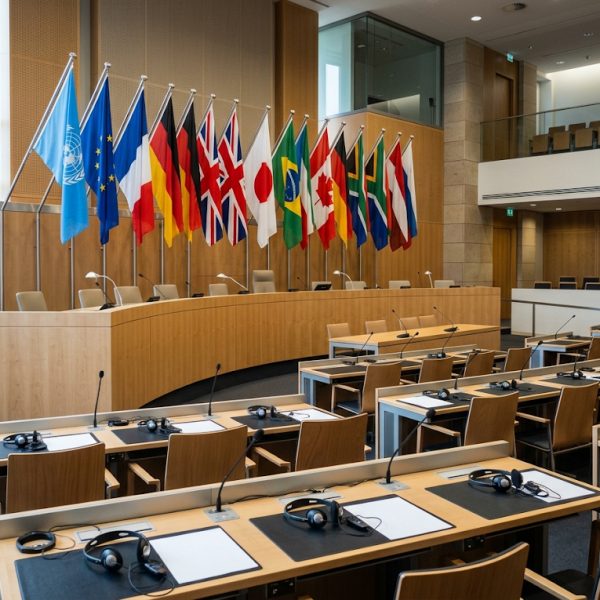
Diplomatic history is full of moments where a poor translation shifted the tone of an entire exchange. A phrase softened or sharpened in translation can change how a foreign policy statement reads to millions of people who never hear the original language. Editors say these incidents rarely stem from malice, but from rushed deadlines and a shortage of qualified translators on breaking stories.
Why Political Speech Is Especially Risky
Political language relies heavily on nuance, idiom, and deliberate ambiguity, all of which are difficult to carry across languages under deadline pressure. A word that sounds neutral in one language can carry a sharper or softer connotation in another, and that gap is exactly where misreporting begins. Newsrooms covering French, German, or Italian politics for English-speaking audiences face this challenge daily.
French Political Statements Draw Particular Scrutiny
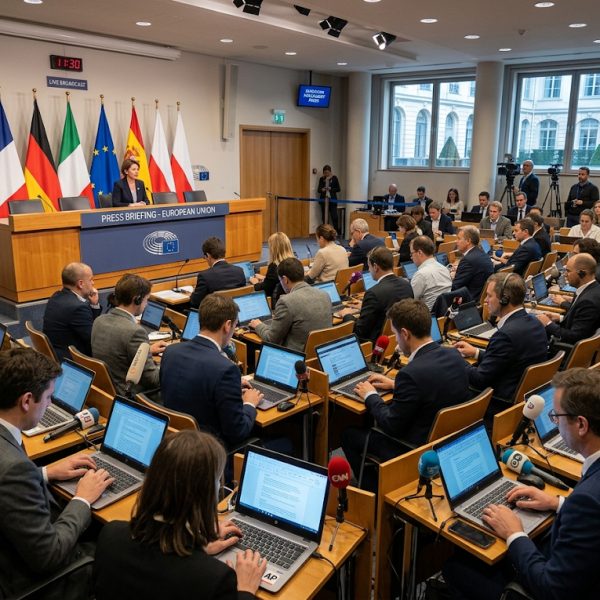
Coverage of French elections, EU summits, and government statements often hinges on how quickly and accurately a quote is translated for international wires. Many outlets now rely on professional french translation services to handle official transcripts and press releases, rather than leaning on quick machine output that can miss context entirely.
Translation errors distort news coverage most when the mistake happens to confirm what the audience already expects to hear. Reporting on workplace inequality suffers the same way, with a single misquoted statistic circulating for years afterwards. Readers who go looking for what is the glass ceiling encounter a term now used so loosely that its original, quite specific meaning has been largely worn away.
Distortion has quieter consequences in administrative settings than in the news. A benefits assessor working from a poorly rendered document is not misled about world events; they simply refuse a claim. For a household waiting on housing benefit, that error is far more immediate than anything on a front page.
Legal and Court Documents Raise the Stakes Further
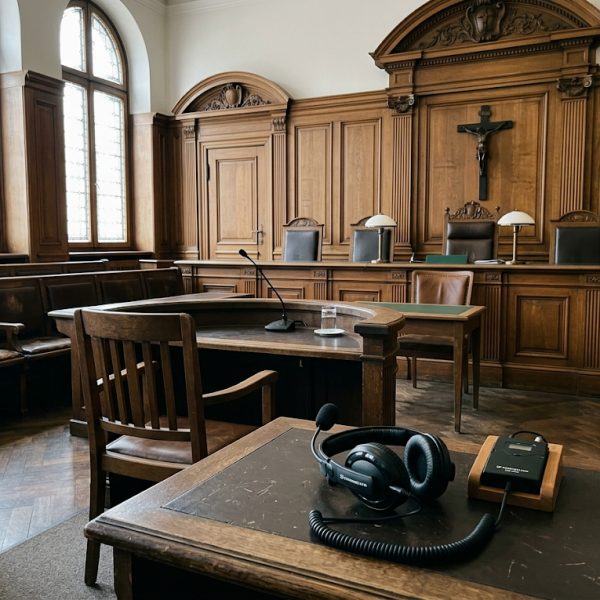
When political stories intersect with legal proceedings, such as international court rulings or cross-border investigations, the translation bar rises even higher. Reporters covering these stories increasingly turn to french legal translation services to ensure that court filings and rulings are represented accurately, since a single misread clause can change the entire framing of a story.
Newsrooms Are Investing in Better Processes
Major outlets have started building formal verification steps into their translation workflow, following guidance from organizations such as the Poynter Institute, which has published extensively on accuracy standards for international reporting. Smaller outlets, with fewer resources, often lean on freelance translators who specialize in political and legal terminology.
Readers Rarely See the Work Behind a Quote
Most readers never think about the translation layer sitting between a foreign politician's words and the headline they scroll past. Research from press organizations, including studies referenced by the Reporters Without Borders network, has highlighted how translation accuracy directly affects public trust in international coverage.
A Quiet but Essential Part of the News Cycle
As political stories increasingly cross borders within hours, the quality of translation behind them matters more than most readers realize. Newsrooms that invest in accurate, context-aware translation are less likely to publish corrections later, and more likely to hold reader trust when a story turns out to matter for years rather than days.